First-time buyers
The whole process, explained in plain English — pre-approval through closing — so you never feel like you're guessing.
I'm a New Orleans real estate agent specializing in investment property and historic homes across Mid-City, Central City, Bayou St. John, and Bywater.

 New Orleans, from above
About Guyon
REALTOR® · Mortgage Loan Originator · MBA, Real Estate Finance
Real estate has been my passion since childhood. Growing up, we rented — when a landlord decided to sell, we moved, no say in the matter. A year out of college, at 22, I bought my first property so no one could ever make my family move again. That single purchase turned into sixteen years of investing, developing, and helping other people build wealth through real estate.
I've been a licensed REALTOR® since 2016 and have ranked among Keller Williams Realty New Orleans' top producers every year since 2019. I'm a native New Orleanian with hyper-local knowledge of every corner of Orleans Parish — Uptown, Algiers, New Orleans East, and everywhere between — the kind of block-by-block knowledge you only get from a lifetime here.
My focus is residential real estate: single-family homes, multifamily properties, and investment deals. An MBA with a concentration in real estate finance and a Mortgage Loan Originator license mean I read both sides of every transaction — the property and the money behind it — so my clients get financial insight most agents can't offer.
A perfect Saturday here is a river run with no humidity, a long brunch with family, an afternoon of brass bands, and a backyard table piled with boiled crawfish. That's the city I'm selling you into — not a listing, a life.
Clients tell me I'm knowledgeable, approachable, and make a stressful process feel manageable. Backed by Keller Williams Realty New Orleans, my mission is simple: listen to what you're trying to accomplish, then build the plan that gets you there.
What I do
My primary work is investment property — single-family, multifamily, and value-add deals. Before you ever write an offer, you get the full picture. No guesswork, no "trust me," just the math on the table.
The whole process, explained in plain English — pre-approval through closing — so you never feel like you're guessing.
Honest pricing, a real marketing plan, and a pre-listing checklist that gets the most out of your sale.
Timing the sale and the purchase so you're not carrying two payments or scrambling for a place to land.
Right-sizing into the neighborhood and home that fits your next chapter, with the equity working for you.
Building equity instead of paying someone else's mortgage — often the first investment without realizing it.
Discreet, well-prepared transactions on historic and high-value properties across the city.
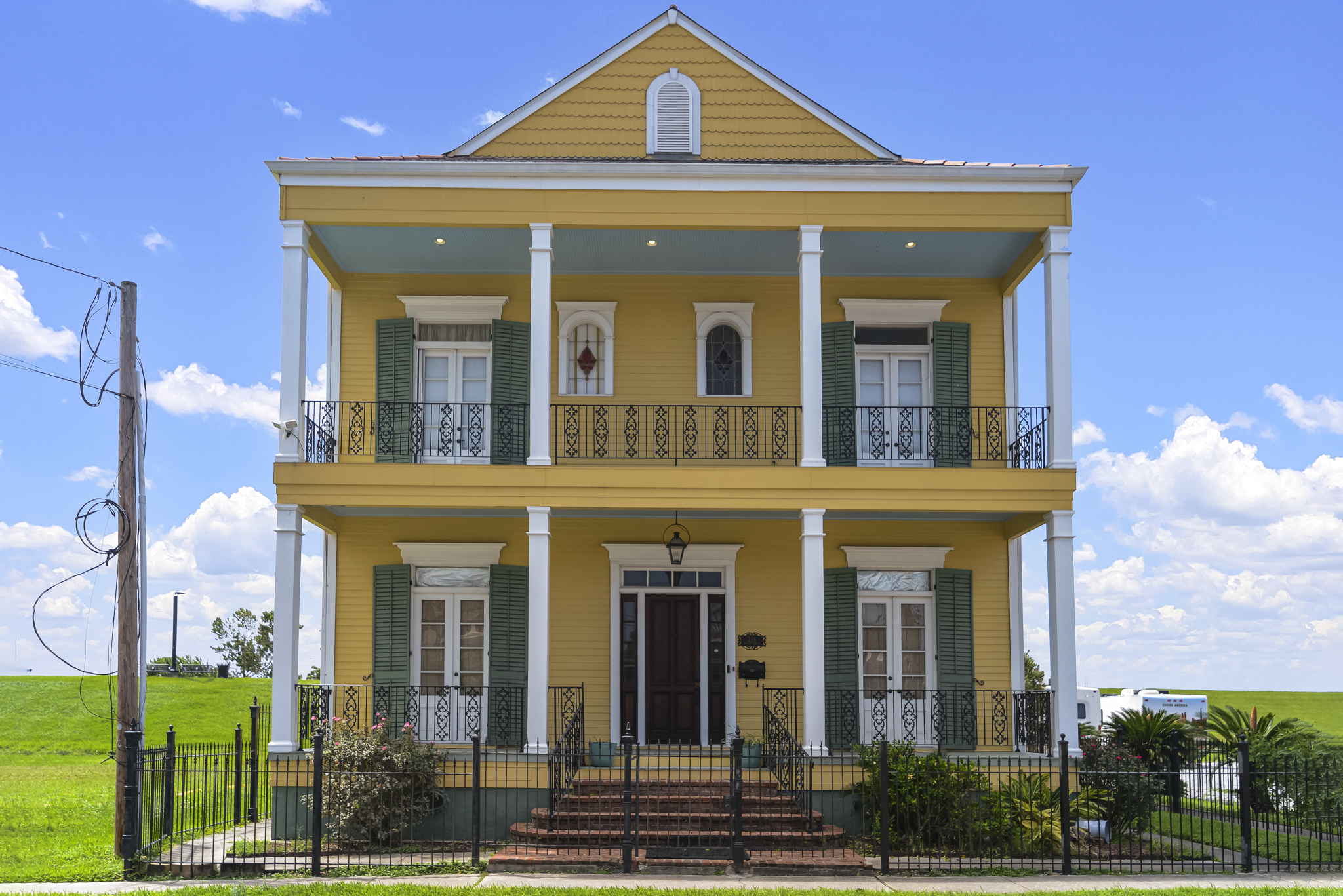 Creole double-gallery, Mid-City
How I work
By the end of day one you should be thinking: my agent has a plan, my agent understands my goals, and I know exactly what happens next. Here's how I get you there.
Motivation, timeline, budget, and target neighborhoods — buyer or seller. I explain the process end to end and how representation works.
Your guide, disclosures, neighborhood info, and a simple email answering what happens next, when, and who's responsible.
Buyers get an MLS search, portal, and showing plan. Sellers get a preliminary CMA, prep plan, and a timeline to market.
Lender, title, insurance, inspector, contractor, coordinator. You should feel like a team is working for you, not one agent.
Communication, response times, offer strategy, and market realities. Most future problems are prevented right here.
A written 30-day summary: exactly what we do next, in order. This is where most agents separate themselves. I lead with it.
Where I work
Each block trades differently. Open any neighborhood for the price range, the architecture, and who it actually suits.
Mid-City sits in the geographic heart of New Orleans, and that location is the whole pitch. You're minutes from the hospitals on the Tulane-Canal corridor, City Park, the Lafitte Greenway, and a streetcar straight downtown. For buyers who want to live without a car-dependent commute, it's hard to beat.
The housing stock is classic New Orleans — single and double shotguns, raised-basement homes, and the occasional center-hall — much of it renovated over the last fifteen years. Doubles here are a smart entry point: live on one side, rent the other, and let a tenant carry part of your note. That's the kind of deal I run the full numbers on before you offer.
Mid-City flooded in 2005 and has come back stronger, which means flood zones and elevation vary block to block. I check both for every property, because they drive your insurance cost and your long-term resale. Buyers who land here tend to be owner-occupants who want amenities and walkability, plus investors who like steady appreciation backed by a location that isn't going anywhere.
Central City is where I tell investors to look hard right now. It's a historically African American neighborhood with deep cultural roots — Mardi Gras Indians, social aid and pleasure clubs, the brass-band tradition — sitting just on the other side of St. Charles from the Garden District and a short hop from downtown and the medical district.
The architecture is rich: Italianate and Victorian shotguns, corner stores, and the kind of ornate millwork that doesn't get built anymore. A lot of it still needs work, which is exactly the opportunity. Renovated properties here still trade below comparable Uptown stock, so the spread between an as-is purchase and a finished ARV is real — if you buy right and renovate smart.
This is a neighborhood in motion, so block-by-block knowledge matters more than a zip-code average. Some streets have fully turned; others are a year or two behind. I'll walk you through which is which, where the comps actually support your numbers, and how to underwrite a value-add deal so the math works before, during, and after the renovation. Best suited to investors and patient buyers who want to grow with the neighborhood.
The French Quarter is the original city — Creole townhouses, Spanish Colonial courtyards, wrought-iron galleries, and a sense of place you can't manufacture. If you want to live inside the most photographed neighborhood in America, this is it, and I'll help you do it with eyes open.
Here's my honest take, and it's an unpopular one: the French Quarter is the toughest neighborhood in New Orleans to invest in for pure returns. Entry prices are high, much of the inventory is condos with serious HOA dues, short-term rental rules are tight and political, and historic-district oversight (the Vieux Carré Commission) governs what you can change. Those are real costs that quietly eat a pro forma.
That said, for the right buyer it's wonderful — a lock-and-leave pied-à-terre, a primary home for someone who wants to walk to everything, or a trophy property held for lifestyle rather than cash flow. If that's you, I'll make sure you understand the carrying costs, the rental restrictions, and the renovation limits before you fall in love with a courtyard. I'd rather tell you the truth than sell you a number that doesn't hold up.
Bayou St. John is one of the oldest settled parts of the city, and it's the quietest of the five — the water draws joggers, paddlers, and families to the grassy banks, and the pace genuinely slows down here. I start a lot of my own Saturday runs along this bayou, so I'm biased, but the calm is the product.
The homes lean larger and more architecturally varied than the surrounding shotgun blocks: raised center-hall cottages, Edwardians, and Spanish Revival, many on deeper lots with real yards. You're walking distance to City Park, the Museum of Art, Esplanade Ridge, and some of the best neighborhood restaurants in town, while staying out of the tourist crush.
Values hold well because supply is limited and the location is permanent — you can't make more bayou frontage. Elevation is generally favorable along the ridge, but it still varies, so flood zone and insurance go on my checklist for every property. This neighborhood suits long-term owner-occupants and families who want space, water, and quiet without leaving the city core. It rewards patience more than it rewards flipping.
Bywater is the city's creative downriver edge — diverse, eclectic, and unapologetically artsy. Brightly painted Creole cottages and shotguns sit next to galleries, coffee roasters, music venues, and Crescent Park along the river. It has a strong identity and a tight-knit feel that buyers either love instantly or don't.
The neighborhood has appreciated meaningfully over the past decade as artists, restaurateurs, and remote workers moved in. Inventory is small and turns quickly, so when the right cottage hits, you have to be ready — pre-approved, clear on your numbers, and able to move. That's where having your analysis done in advance pays off.
For investors, Bywater's tourism pull makes it short-term-rental territory, but the city's STR rules are strict and change often. I keep clients current on what's actually permitted on a given block before they bank on rental income, because a great property with the wrong rental status is a bad deal. Bywater suits creatives, owner-occupants who want character, and investors who understand the regulatory landscape going in.
Gentilly sits on the high ground north of the Fair Grounds and Dillard University, and it's one of the most underrated family neighborhoods in the city. The lots run bigger than almost anywhere else inside the parish line, the streets are quieter, and you're a short drive from Lakefront, City Park, and the universities without paying Uptown prices.
Architecturally, Gentilly is a mix — mid-century brick ranches, raised cottages, and a scattering of postwar bungalows rebuilt after Katrina with modern systems and higher elevations. That newer housing stock is part of the draw: buyers get more square footage and fewer surprise repair bills than the century-old doubles closer to downtown.
Gentilly flooded hard in 2005, so elevation and flood zone matter more here than almost anywhere else I work. The rebuild since then has been substantial, and a lot of the housing stock you'll tour today sits well above base flood elevation — but I check every property individually rather than assume. The neighborhood suits growing families who want yard space, first-time buyers priced out of Mid-City and Uptown, and anyone who values the lakefront and university amenities over walkability to downtown.
Algiers sits across the river from the French Quarter, and the ferry is the whole story — a free, seven-minute ride puts you in the Quarter faster than most Uptown commutes, which makes Algiers Point one of the best value plays in the city for anyone who works downtown.
The Point itself is a historic district of Victorian cottages, shotguns, and center-hall homes on tree-lined streets along the river's bend, largely untouched by the tourist traffic that drives up Quarter prices. Further into Algiers, the housing stock opens into more mid-century construction and larger lots at a real discount to the East Bank.
Because it's across the river, Algiers trades at a persistent discount to comparably located East Bank neighborhoods — the same architecture and river access you'd pay a premium for in the Marigny or Bywater, without the premium. Flood risk is generally lower here since Algiers sits on higher natural ground, though I still verify zone and elevation on every property. This neighborhood suits commuters who want downtown access without downtown prices, history buffs drawn to the Point's architecture, and value-conscious buyers who are fine with a ferry instead of a bridge.
Uptown is the neighborhood most people picture when they imagine New Orleans — live oaks over St. Charles Avenue, the streetcar, and block after block of well-kept doubles and center-hall mansions. It's the city's most expensive residential market outside the French Quarter, and for good reason: proven schools, walkable retail on Magazine Street, and a location that hasn't gone out of style in over a century.
The architecture ranges from grand Garden District-adjacent mansions to more modest doubles and shotguns on the side streets, so the price range is wide — a renovated double can run comparable to Mid-City, while the largest homes near the St. Charles corridor reach well into seven figures. Knowing which block you're on matters more here than almost anywhere else.
Uptown's elevation is generally favorable, and much of the housing stock is older, well-maintained, and already renovated, so surprises tend to be fewer — you're paying for location and condition rather than upside. This neighborhood suits established buyers who want a finished home in a proven location, families prioritizing school zones, and anyone for whom walkability to Magazine Street outweighs chasing the best price per square foot.
 Uptown mansion, St. Charles corridor
What I believe
The French Quarter is the worst neighborhood in New Orleans to invest in.
It's a beautiful place to live and a hard place to make money. High entry prices, heavy HOA dues, strict short-term-rental rules, and historic-district oversight all eat into returns that look fine on paper. I'll happily help you buy there for the lifestyle — but if you're chasing cash flow, I'll point you toward Central City, Mid-City, or Bywater and show you why the numbers work better. Opinions like this are exactly why people hire me: I'd rather be useful than agreeable.
What I won't do
Why work with me
With an MBA in real estate finance and an MLO license, I see the loan, the insurance, and the return the way a lender does. When a young Saints draft pick was getting advice that didn't serve him, I showed him — in numbers — the better move. His family still thanks me for it.
An off-market seller once vanished mid-contract. I tracked down his family across town, they helped us find him, and we closed. I sold an older couple's local properties so they could buy their retirement home in cash — and got it done before the husband passed. He trusted me to keep his wife secure. I take that personally.
Lenders, contractors, inspectors, attorneys, title — I know who does the work right and who picks up on a Friday afternoon. Native New Orleanian, deep roots, and a network built over a decade in this market. You get the whole team, not just an agent.
Have questions? Call me at 504-215-4292.

I'm part of New Orleans' only multi-generational, family-owned real estate brokerage — 136 agents, $250M+ in annual transactions, 28 years building this market.
Visit KW New Orleans → Bywater folk art shotgun
In their words
Guyon helped our family purchase our dream house in our dream neighborhood below market value. We could not have done it without him.
We were under contract on an off-market property and the seller disappeared halfway through. Guyon tracked down the seller's family on the other side of town, they helped us find him, and we closed.
Questions, answered
Central City has the most room to run right now. It's an appreciating, historically African American neighborhood close to downtown, and renovated doubles still trade below comparable Uptown stock. Mid-City and Bayou St. John hold value because of location and amenities. I track parish sales every month, so the honest answer changes block by block. Tell me your budget and timeline and I'll pull the current numbers for your target area.
Rates aren't guranteed to drop. You should buy now because you can always refiniance in the future if rates go down. In addition, normally price go up when interest rates go down. Now is the time
Your lender will only require you to purchase flood insurance if the house is located in an AE floodzone. If the house is in a X floodzone then flood insurance is not required but it is so cheap that we always recommend that you get it.
We agree on representation and compensation in writing before we tour anything, so there are no surprises. In most New Orleans deals the buyer's agent fee is negotiated into the transaction, and I'll walk you through exactly who pays what on your specific purchase. For investors I also run a full deal analysis up front, so you know your numbers before you ever write an offer.
If you plan to stay three years or more and you can cover the payment plus insurance, buying almost always wins here. Rent in New Orleans isn't cheap, and every month of rent is a month you build no equity. The wild card is insurance, so we price that in early and look at your true monthly cost before you decide. I'll run the rent-versus-buy math with your real numbers.
Let's talk
Tell me what you're trying to do — buy, sell, or invest — and I'll come back with a plan. Calling or texting is fastest.